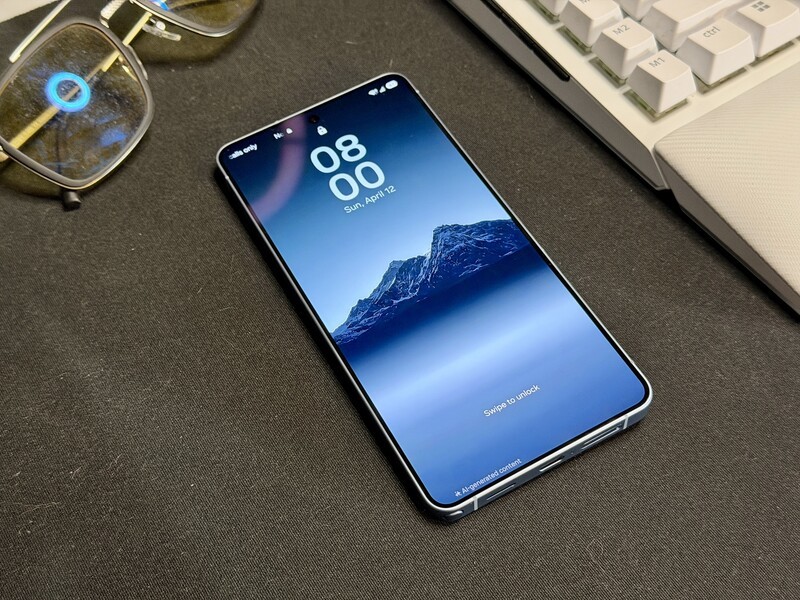
While the core of an enterprise's data lives in the cloud or on physical servers, the key to that data almost always sits in an employee's pocket. In 2026, the mobile smartphone is the primary "patient zero" for the most expensive data breaches in history.
Hackers are no longer trying to break down the front door of a corporate network. Instead, they are stealing the keys from the mobile devices that manage identity and internal communications.
The following ten cases highlight how mobile-centric vulnerabilities provided the entry point for some of the most significant security failures of the last few years.
1. Rockstar Games (2022)
The MFA Fatigue Breach
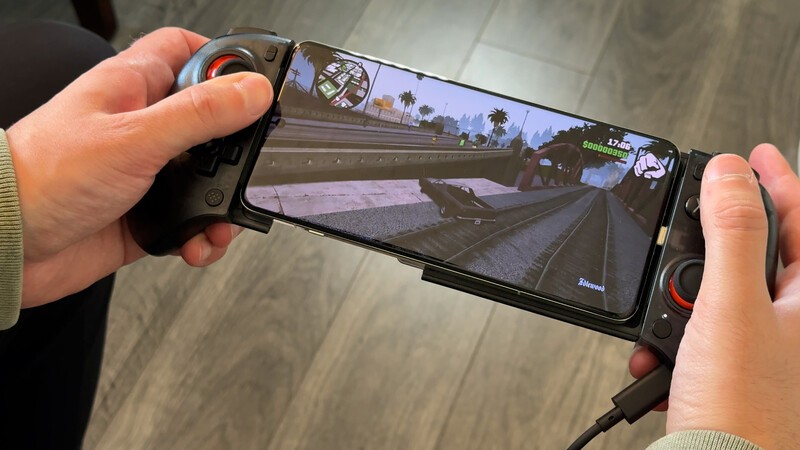
The September 2022 breach of Rockstar Games according to Reuters is one of the most high-profile examples of how mobile access to internal tools can cripple a major corporation. A member of the Lapsus$ hacking group reportedly gained access to the company's internal Slack channels.
The attacker used a smartphone to perform an "MFA Fatigue" attack, which involves sending a relentless stream of push notification "Approval" requests to an employee's phone until they eventually tap "Approve" out of frustration or confusion. This single action on a mobile device allowed the attacker to download and leak footage from the highly anticipated Grand Theft Auto VI.
2. Rockstar Games (2026)
The SaaS Supply Chain Leak
In April 2026, Rockstar Games suffered a second major breach highlighted here targeting its cloud-hosted data. The hacking group ShinyHunters accessed Rockstar's Snowflake data warehouse by compromising Anodot, which is a cloud cost-monitoring platform used by the company. The attackers obtained valid authentication tokens that were likely accessed through mobile-friendly administrative dashboards. This incident proved that even if an internal network is secure, the portable tokens used to manage cloud data on smartphones can serve as a silent backdoor for hackers.
3. MGM Resorts
The Help Desk Vishing Attack

The 2023 reported MGM Resorts breach demonstrated the lethal effectiveness of mobile social engineering. The attackers used a method called "Vishing" (Voice Phishing). They identified an employee on LinkedIn and then called the company's IT help desk. By pretending to be that employee, they convinced the help desk staff to reset the Multi-Factor Authentication (MFA) on the account. Because the MFA was tied to a mobile device that the attackers now controlled via the reset, they gained full access to the MGM network. This breach resulted in a $100 million loss and a total shutdown of hotel operations.
4. Caesars Entertainment
The Outsourced Vishing Breach
In a case nearly identical to MGM, CNBC reported that Caesars Entertainment was targeted by the same "vishing" group. The attackers used social engineering directed at an outsourced IT support vendor. They successfully tricked an employee into providing access that allowed them to exfiltrate a massive loyalty program database. This breach highlighted the supply chain risk where mobile-accessible vendor accounts become the weak link in a larger enterprise security chain.
5. Cisco Duo (TeleSign)
The SMS Interception Incident
In early 2024, attackers reportedly targeted employees of TeleSign, a third-party SMS telephony provider for Cisco Duo. Through sophisticated smishing links sent to employee phones, the threat actors gained access to internal message logs. This allowed them to intercept MFA codes sent via SMS to Duo customers' mobile devices. This breach highlighted the vulnerability of the telephony layer. Even when an application is technically secure, the unlocked back door of the SMS delivery system can allow attackers to intercept critical security codes.
6. Twilio
The Massive Smishing Surge
This story by Security week flags how Twilio was compromised through a widespread "Smishing" (SMS Phishing) campaign. Employees received text messages on their mobile phones regarding urgent schedule changes. These messages included a link to a fake login URL designed to look like Twilio's internal sign-in page. Employees who entered their credentials on their mobile browsers unknowingly handed their account access to the attackers. This incident highlighted the danger of SMS, as employees are statistically more likely to trust and click links in a text message than in a traditional email.
7. Disney
The Slack "Infostealer" Breach

In 2024, the hacking group NullBulge reportedly exfiltrated 1.1TB of data from Disney's internal Slack environment. The breach originated from a developer's device that had been compromised by "infostealer" malware. These types of malware are often distributed through malicious mobile apps or phishing links sent to personal devices that have access to corporate credentials. The incident proved that internal collaboration tools like Slack are high-value targets that must be isolated from the rest of the mobile environment.
8. Dropbox Sign
Mobile-Targeted Admin Phishing
Attackers allegedly gained access to a Dropbox Sign automated system configuration tool by compromising a service account. The breach originated from a phishing attack that likely targeted a mobile-accessible administrative tool. This allowed the actors to access a database containing user information and MFA settings. By viewing MFA metadata, the attackers were potentially able to orchestrate targeted smishing campaigns against Dropbox Sign users to bypass their personal mobile security.
9. Change Healthcare
The MFA Omission Catastrophe
The most disruptive healthcare breach in U.S. history occurred when attackers reportedly used compromised credentials to access a Citrix portal that lacked Multi-Factor Authentication. The credentials were found to have been harvested via infostealer malware, likely from a personal or mobile device used for remote work. This single point of failure resulted in $2.45 billion in total costs and a $22 million ransom payment. It serves as a reminder that mobile-harvested credentials can paralyze a critical national infrastructure if MFA isn't enforced across every portal.
10. Ticketmaster
The Cloud Credential Theft
In 2024, attackers harvested administrative credentials from a Ticketmaster employee's device using infostealer malware. These credentials provided direct access to a cloud-hosted database on the Snowflake platform. Because the compromised account lacked mandatory MFA at the database level, the attackers were able to exfiltrate data for an estimated 560 million customers. This case demonstrates that mobile-linked credentials are the most frequent entry point for high-volume data exfiltration from cloud environments.
Why These Breaches Share a Common Thread
When we analyze these incidents, a clear pattern emerges. The vulnerability was not in the server-side encryption or the strength of the corporate firewall. The failure point was always the interaction between the user and their mobile device. Standard mobile operating systems are designed for consumer convenience, not for jurisdictional or professional isolation.
This lack of a "hardened" environment means that internal tools like Slack, MFA authenticators, and administrative sessions all sit on the same vulnerable plane as personal apps and insecure browsers.
To mitigate the risk of the next multi-million dollar breach, enterprises must look toward sovereign solutions.
The secure combination of kernel-hardened OS like Apostrophy paired with security-first hardware like the Punkt MC03 can provide companies with a heightened layer of security against these multi-million dollar breaches for about the cost of one cup of coffee a day.
If you're stocking your corporate Keurig machine, but not hardening your enterprise fleet, it's time to take a look at what matters most to the future of your enterprise.
The smartphone is a huge source of vulnerability if it's not properly locked down in the corporate environment. These are systems that logically isolate corporate data at the kernel level and provide the jurisdictional shielding necessary to prevent a single mobile click from becoming a corporate catastrophe.
Read more
The Next Apostrophy-Powered Smartphone is Now Shipping
The next AphyOS-enabled phone is now shipping. Punkt's MC03, announced at CES 2026 is now being deployed to customers across Europe.
The Real Cost of a Data Breach
Data breaches through smartphones continue to grow in frequency and cost. Here's how this is skyrocketing baed on the latest reports.
The Security Advantage of PINs Over Biometrics
While biometrics do an excellent job of blocking casual nosey friends or opportunistic thieves, they fail dramatically when facing institutional observation, border checkpoints, or corporate espionage.

The Steps AphyOS Takes To Manually Clean Up Code
When a technology brand decides to manufacture a new smartphone, they rarely build the underlying software from scratch. Instead, they rely on a heavily outsourced supply chain. At the top of this chain, core operating system blueprints are governed by central ecosystem gatekeepers. Below them, silicon chip providers deliver the physical processors alongside foundational software...