
Every time you download an application, accept a terms-of-service agreement without reading it, or sign up for a retail loyalty card, a digital breadcrumb is dropped.
Individually, these crumbs are harmless (a single location ping at a coffee shop, an online purchase of running shoes, or a public registry entry for a real estate transaction, harmless right?). Collectively, however, they form a highly accurate, deeply intimate digital mosaic of your private life.
Unfortunately, many people don't even know data brokers exist, and therefore, don't realize how much of their personal data is being used by these massive firms.
The entities responsible for gathering, refining, and selling this mosaic are known as data brokers. While this is big business, most people don't even know these types of companies even exist. Operating largely in the shadows of the consumer internet, they have turned personal identity into a highly lucrative commodities market.
Understanding the Architecture: What is a Data Broker?
A data broker is a company that collects information from a vast array of public and private sources, aggregates it, cleanses it to build comprehensive individual profiles, and then licenses or sells that data to third parties.

Unlike social media networks or web browsers, data brokers typically have no direct relationship with the consumers whose information they exploit. You did not sign up for their services, yet they likely hold thousands of data points connected directly to your name, phone number, and physical address.
The true commoditization of personal data happens silently. Data brokers trade in behavioral telemetry, health concerns, financial vulnerabilities, and real-time location histories, creating an ecosystem where privacy is bypassed by default.
Brokers categorize individuals into highly specific marketing segments. These can range from innocuous groups like "Outdoor Enthusiasts" to deeply invasive, predatory classifications targeting vulnerable populations, such as "Subprime Credit Seekers," "Expecting Mothers," or individuals dealing with chronic medical conditions. These profiles are then sold to insurance corporations, financial institutions, advertisers, political campaigns, and even private investigators.
The Pipeline: How They Get Your Information
Data brokers feed their algorithms through three primary collection vectors:
1. Public Records and Government Registries
This is the baseline layer of your profile. Brokers deploy automated scrapers to harvest information from voter registration files, real estate deeds, marriage licenses, divorce decrees, birth certificates, court filings, and professional licensing boards. Because these records are legally public, extracting them is entirely unhindered.
2. Commercial Transactions and Loyalty Programs
When you use a grocery store loyalty card or purchase an item online, that transactional data does not remain isolated. Retailers frequently monetize their customer bases by selling anonymized purchase histories to broker clearinghouses. Credit card networks also license macro-transaction data, allowing brokers to match commercial spending habits with physical identities.
3. Mobile Application Background Telemetry
The most pervasive and precise data collection pipeline sits directly inside your pocket. Millions of smartphones run applications embedded with hidden third-party software development kits (SDKs). These SDKs continually harvest background telemetry like precise GPS coordinates, active Wi-Fi networks, Bluetooth connections, device model details, and unique advertising identifiers (such as Apple's IDFA or Google's AAID). This data is compiled continuously and silently transmitted to broker networks.
The Architectural Solution: How Apostrophy Terminates Data Harvesting
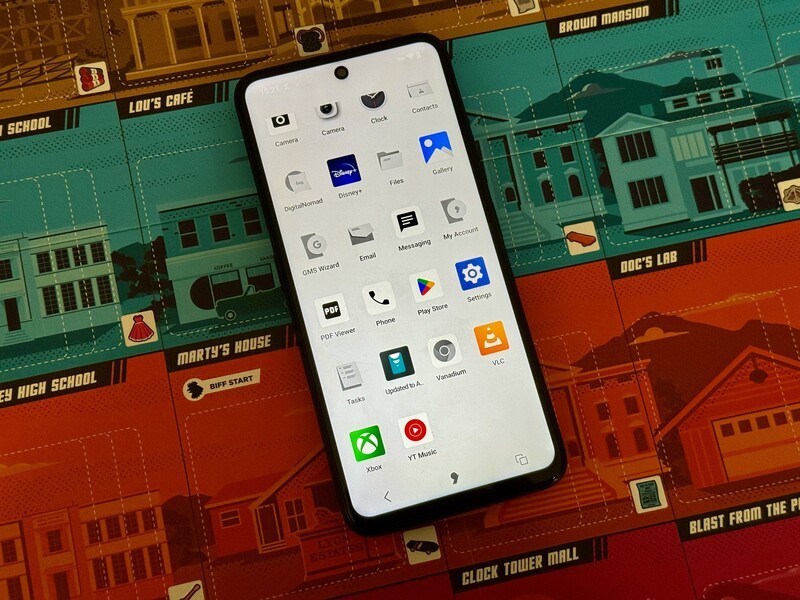
For individuals seeking absolute protection from this passive corporate surveillance, conventional software adjustments on standard mobile platforms are insufficient. Incumbent operating systems are fundamentally engineered to treat identity as an advertising token, leaving background tracking vectors systematically open.
The business model of "free" operating systems is one where you're actually paying for the OS with your personal data.
Apostrophy addresses this structural flaw by engineering security into the operating system itself, redefining how a smartphone handles application permissions, telemetry, and data boundaries.
The Three Pillars of Apostrophy's Defense Architecture
1. Absolute Telemetry Isolation: Standard mobile operating systems routinely transmit background usage data back to global servers under the guise of diagnostics. Apostrophy terminates this pipeline entirely. Telemetry is shut down at the system level, and zero profiling identifiers are generated or transmitted, ensuring that your real-world usage patterns never enter the data broker ecosystem.
2. Hardware-Rooted App Sandboxing (The Vault): Apostrophy's "Dual Zone" architecture isolates high-risk, unvetted applications inside a heavily sandboxed environment. Apps residing outside The Vault are completely Blinded. They cannot view your cross-app activity, access local system files, or read hardware identifiers. Because the data cannot escape the application container, third-party broker SDKs have no telemetry to harvest.
3. Neutral Swiss Jurisdictional Sovereignty: Unlike mobile ecosystems bound to the jurisdiction of the United States or the European Union (where laws like the U.S. CLOUD Act can compel companies to surrender user data) Apostrophy anchors its server infrastructure and services in Switzerland. Shielded by the strict, neutral framework of the Swiss Federal Act on Data Protection (nFADP), your cloud-backed communications and storage are entirely insulated from foreign corporate and state intelligence demands.
The Countermeasure Blueprint: How to Remove Your Information
Whether you are currently utilizing a sovereign system like Apostrophy or are beginning your migration away from traditional platforms, extracting your existing data from legacy broker networks requires a systematic approach. Below is the pragmatic strategy to discover who has your information and how to force its removal.
Phase 1: Discovery (Uncovering the Brokers)
Because data brokers operate discreetly, discovering exactly which companies hold your data requires targeting the industry's largest aggregators first. The global broker market is anchored by several "tier-one" behemoths that supply data to smaller sub-brokers. You must focus your discovery efforts on three distinct categories:
- Core Marketing Aggregators: Companies like Acxiom, Experian, Epsilon, and LexisNexis hold the foundational demographic and financial records for hundreds of millions of citizens.
- People-Search Engines: Consumer-facing portals such as Whitepages, Spokeo, Radaris, BeenVerified, and Intelius aggregate and display addresses, family relationships, and phone numbers directly to the public.
- Location Brokers: Specialized firms like Kochava, Veriset, and Complementics focus almost exclusively on purchasing mobile GPS telemetry to map real-world foot traffic.
Phase 2: The Removal Process (The Opt-Out Framework)
Once you have identified the primary broker networks, you must systematically execute opt-out demands. There are two primary methodologies for accomplishing this:
Method A: The Manual Execution Path (Zero-Cost, High-Effort)
You can legally demand that data brokers delete your information by leveraging their individual privacy opt-out pages. This requires navigating to the footer of each broker's website, locating a link labeled "Do Not Sell My Personal Information" or "Data Subject Access Request," and submitting an official removal form.
Critical Security Precaution: When submitting manual opt-out requests, data brokers will frequently demand that you provide a photo ID, phone number, or email address to "verify your identity." Never provide your primary contact information. Instead, use a temporary, single-use email alias and a masked VoIP phone number to fulfill these verification requirements without feeding the broker new, valid tracking data.
Method B: The Automated Deletion Path (Subscription-Based, Low-Effort)
If manually submitting hundreds of individual legal requests is logistically unfeasible, you can utilize automated privacy infrastructure services. Platforms such as DeleteMe, Incogni, Kanary, or Optery act as your legal proxies. They continuously scan broker networks, automatically submit data suppression demands on your behalf, and provide routine compliance reporting to ensure deleted records are not re-harvested.
Managing Expectations: The Reality of the Data Erasure Process
Entering the data removal process isn't for the feint of heart. Scrubbing your identity from the internet is not a one-time digital configuration; it is an ongoing cat-and-mouse game that demands patience and persistence.
The Initial Timeline (1 to 3 Months): When an opt-out request is submitted, major brokers legally have anywhere from 15 to 45 days to comply under modern frameworks like CCPA or GDPR. It typically takes a full fiscal quarter of consistent requests and follow-ups before you observe a noticeable reduction in your public-facing digital footprint across people-search search engines.
The Complexity Factor (High Operational Friction): Data brokers purposely design their opt-out infrastructure with significant friction. You will encounter broken submission links, repetitive CAPTCHAs, and deliberately confusing legal jargon designed to make you abandon the request. Furthermore, because brokers are constantly scanning public court records and property registries, a newly updated public filing (such as renewing a driver's license or buying a house) can trigger an automated algorithm that instantly regenerates your deleted profile.
The Permanent Solution: Stop the Leak at the Source: Because removing data after it has been harvested is an uphill battle, true privacy requires a fundamental shift in behavior. Remediating legacy data using opt-out frameworks is only half the equation; the other half is stopping new data generation. By moving your daily mobile habits onto a sovereign platform like Apostrophy, you completely cut off the flow of real-time telemetry, ensuring that once your old profiles are deleted, the data brokers are left with nothing but radio silence.
If nothing else, after reading this article you should have a better understnding of what Digital Data Brokers are, the sources they use to mine your personal data, and how daunting a process it can be to reclaim your digital soul.
While there may be much existing personal data already in the hands of brokers, for users who make the switch to an Apostrophy-powered phone like the Punkt MC03, you'll be taking a meaningful step in reclaiming ownership of your digital life.
Frequently Asked Questions
What is a data broker and how do they collect mobile data?
A data broker is a commercial entity that collects, aggregates, and sells personal information compiled from public records, commercial transactions, and mobile device telemetry. They harvest mobile data by purchasing background location history, unique device identifiers, and app usage patterns silently leaked by ad-supported smartphone operating systems and free applications.
How do data brokers manipulate user behavior?
Data brokers manipulate user behavior by selling cross-referenced consumer profiles to advertising networks and algorithmic content platforms. These platforms use the profiles to hyper-target the information on your device. This tracking goes beyond standard ads; it actively shapes your buying habits, controls your media feeds, and alters your digital behavior by serving content engineered to influence your way of thinking.
Why are "free" mobile operating systems a security risk?
"Free" mobile operating systems are a security risk because their business models rely on background data harvesting to monetize users. Because these platforms control the core device infrastructure, they silently log user telemetry and location patterns to sell to data brokers. Under this model, you pay for the software with your digital autonomy, transforming the user into the product being sold.
How does Apostrophy AphyOS block data brokers?
Apostrophy AphyOS blocks data brokers by cutting off data leakage at the operating system kernel. By utilizing a zero-knowledge architecture and an isolated Vault partition, AphyOS completely sandboxes applications, blocking background trackers from accessing unique device IDs or location history. Furthermore, all operational data is routed through secure, Swiss-based servers, placing user data under the strict legal protection of the Swiss Federal Act on Data Protection (nFADP).
What is the most effective way to remove data from data brokers?
The most effective way to remove data from data brokers is to stop data leakage at the device level by transitioning to a sovereign operating system like Apostrophy. While manual opt-out requests and automated data removal services can temporarily delete profiles, standard ad-supported smartphones will immediately resume leaking mobile telemetry, allowing brokers to instantly rebuild your profile. Permanent data privacy requires a secure hardware-and-software stack.
Read more

The actual cost of "free" online services
While services provided by Big Tech may not cost you money, they do cost your privacy. This article explores how companies like Google make billions of dollars by tailoring custom advertisements to the individual by collecting data on them via multiple methods.

Why you want to pay for Proton (and maybe why you don't)
Proton provides a suite of productivity applications that combine convenience and ease of use with enhanced data protection and privacy. Explore why upgrading from the free Proton apps to the paid versions is likely right for many users, but maybe not all.

VPNs not a threat to youth social media bans
Social media bans for youth are being enacted and explored across the globe. There are different implementation models, but VPNs should not prevent most or all from working. The UK just announced they had deemed VPNs to be used by youth primarily for security, not circumvention. Proton has created an online map to track such legislation around the world.

Why the Punkt MC03 is the Ultimate Hardware for Your Proton Account
Software alone can only protect your privacy so much. Enter, the The Punkt MC03, a smartphone designed to run the AphyOS operating system and protect your device from any unwanted tampering. By blowing a special eFuse before shipping, the MC03 is immune from firmware tampering. For the ultimate in data protection, both hardware and software need to be in sync, and the MC03 is designed...