
Executive Summary
Standard mobile architectures often expose decrypted sandboxed data at the hardware layer via un-audited vendor frameworks. In this op-ed, Petter Neby outlines how AphyOS purifies the smartphone architecture from the initial boot sequence; introducing kernel-level hardware isolation across cameras, microphones, network modems, and screen memory buffers to deliver true enterprise data sovereignty.
When you hold a modern smartphone, you are holding the most efficient corporate productivity tool ever created. It allows a CEO to greenlight global acquisitions from an airport lounge, a CTO to manage server architecture on the move, and a CISO to monitor threat vectors in real time.
But as tech leaders, we need to have a completely honest conversation about what is actually happening underneath that glass.
We have poured millions of dollars into securing our data centers, hardening our cloud applications, and training our workforces, yet we deploy all of these secure assets onto mobile operating systems we do not control.
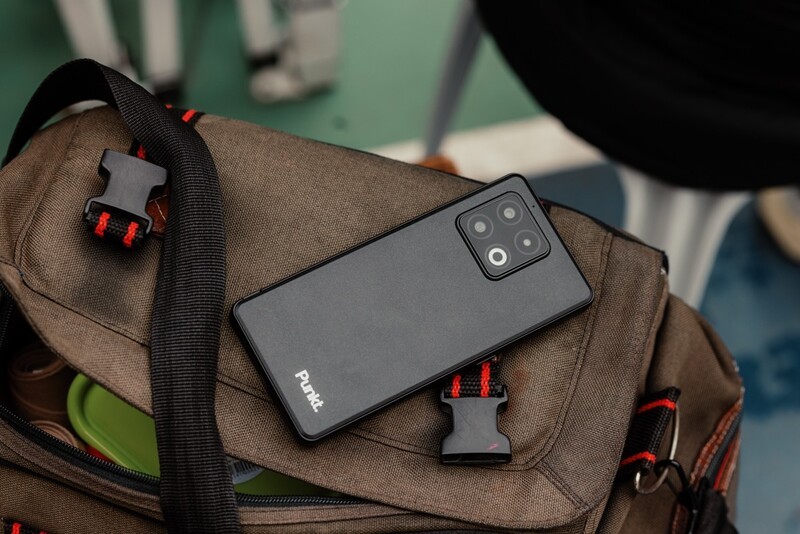
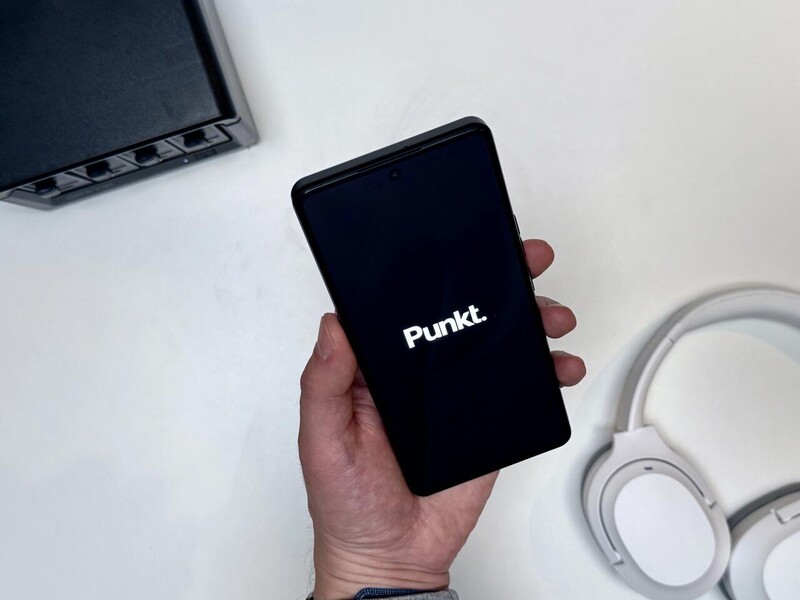
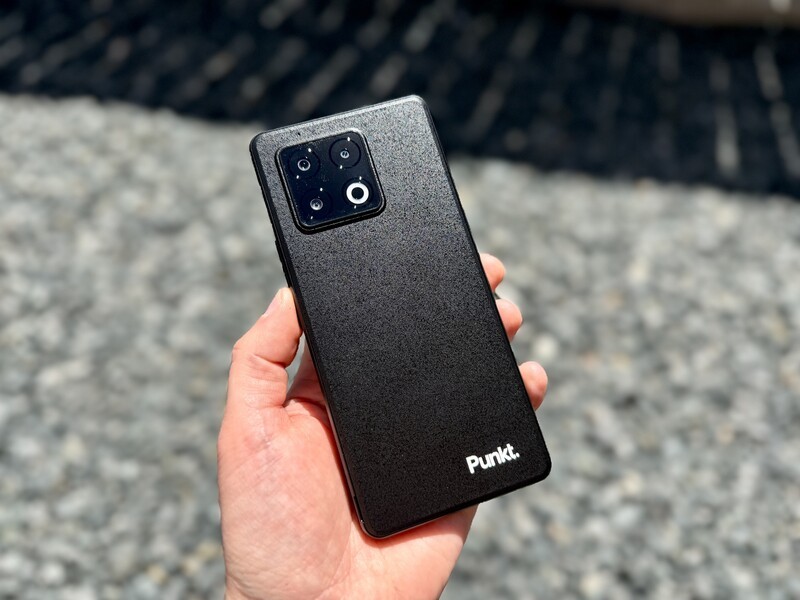
When we designed the Punkt. MC03 powered by AphyOS, our mission wasn't just to build another smartphone. It was to build a permanent, sovereign foundation for mobile productivity.
To understand why this requires such intensive manual engineering, we have to look at how a standard smartphone operates in the background and how we have systematically purified that architecture to protect your organization and created an infrastructure of trust.
1. The Core Operating System Baseline and Network Telemetry
On a standard device, the operating system is heavily integrated with background telemetry trackers and proprietary cloud frameworks that monitor device state, location, and user profiles continuously. This isn't inherently malicious by any means. It's a feature set that's designed that can make modern smartphones more convenient to use. However, simply turning off "location services" in the user settings may not halt the underlying network pings.
The AphyOS Alignment
AphyOS is built on a foundation of absolute data sovereignty. Our engineering team pulls clean, open-source upstream commits and compiles the entire operating system baseline in-house under strict European jurisdiction. By eliminating background vendor frameworks entirely, we ensure that your operating system works strictly for your enterprise. Not for an external data aggregator.
- Deep Dive: To learn more about how we audit and split compressed manufacturer software bundles line-by-line, read our technical breakdown: The Clean Code Problem: Rebuilding the Mobile Supply Chain.
2. Hardware Privileges: Managing Microphone and Camera Isolation
For a Chief Information Security Officer (CISO), the physical smartphone camera and microphone are permanent physical threats. In standard mobile architectures, background system utilities and performance tools often possess broad, unchecked hardware execution privileges that may sit completely outside standard application sandbox rules. This is frequently enabled when users blindly scroll through the terms and conditions hitting "Accept" blindly just to get an app to initially load.
The Power-State Disconnect
We believe a microphone should only draw power when you explicitly tell it to. AphyOS enforces strict hardware abstraction isolation:
- Microphone Security: Command lines dynamically drop the hardware power state to zero electrical current when not in use.
- Camera Isolation: The camera API is locked behind a strict, hardware-level gatekeeper, ensuring no pre-compiled background utility can quietly pull data straight from the lens.
3. The Display Layer and RAM Frame Buffer Security
Application-level encryption (End-to-End Encryption) is an incredible asset for corporate tools like Signal, Proton, or Threema. However, standard smartphones render decrypted information straight onto a system memory pool called the RAM Frame Buffer so your eyes can read it.
If the underlying operating system contains un-audited manufacturer extensions or diagnostic utilities, those components may be able to peer directly into the frame buffer, bypassing application encryption entirely.
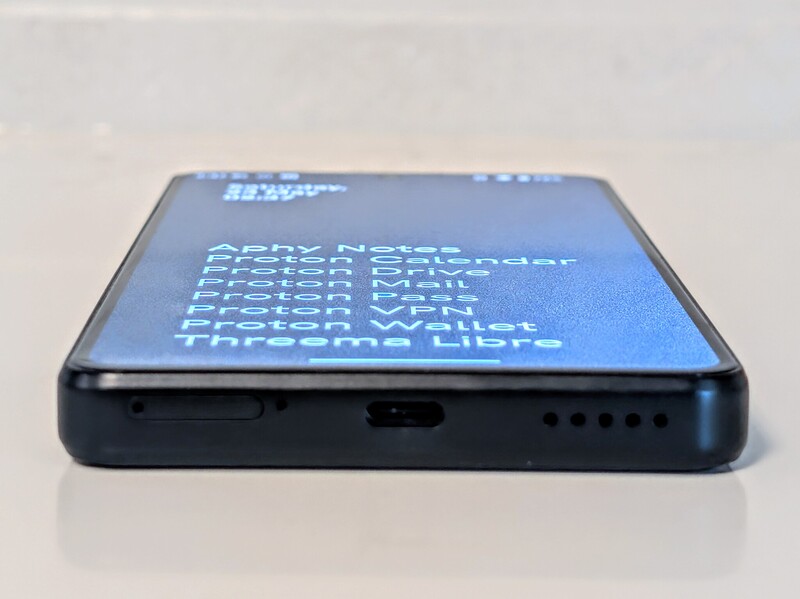
The Sealed Glass Principle
Because AphyOS purges all unverified chipset overlays and vendor debugging modules from the kernel layer, your sandboxed application data remains completely sealed. Encryption travels securely across the web, and it remains protected the millisecond it hits the physical screen.
4. The Cellular Modem, Network Baseband, and Mobile Firewalls
The baseband processor (the secondary computer inside your phone that talks directly to cellular towers) is notoriously opaque. On standard devices, the cellular stack operates with immense privilege, in some cases capable of modifying memory pools without the main operating system ever logging the event.
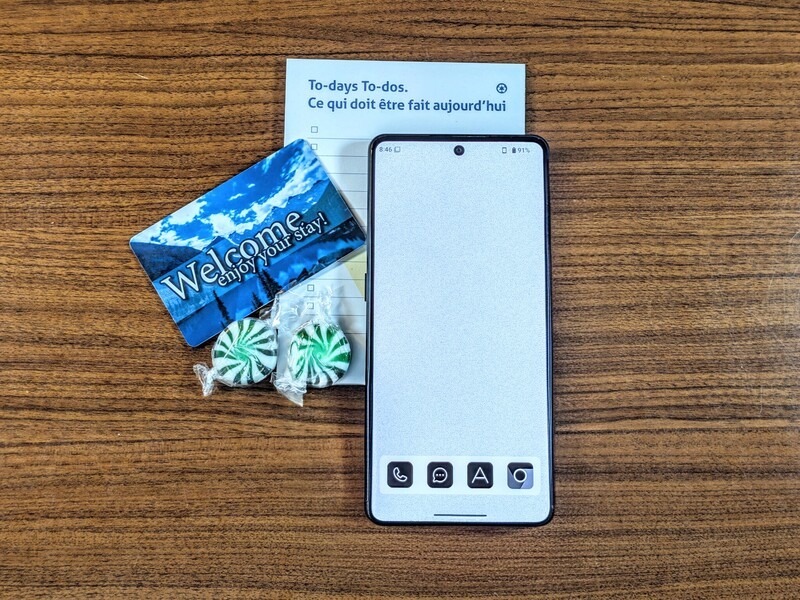
Baseline Isolation
While we cannot open-source the closed hardware firmware of standard telecom networks, AphyOS implements an architectural firewall between the cellular modem and the main application processor. We tightly restrict the data lanes, preventing the cellular subsystem from accessing user storage or application registries.
5. Mobile Device Management (MDM) and App Store Integrity
For a CTO, managing mobile device deployment usually means wrestling with aggressive Mobile Device Management (MDM) profiles that require deep system compromises, or opening up corporate phones to massive, consumer-focused app marketplaces flooded with unverified code.

The Curation Standard
AphyOS introduces an enterprise-grade ecosystem structure that removes the friction from fleet management:
- Zero-GMS Dependency: Every application hosted within our store is strictly verified to run without third-party big-tech cloud lock-in.
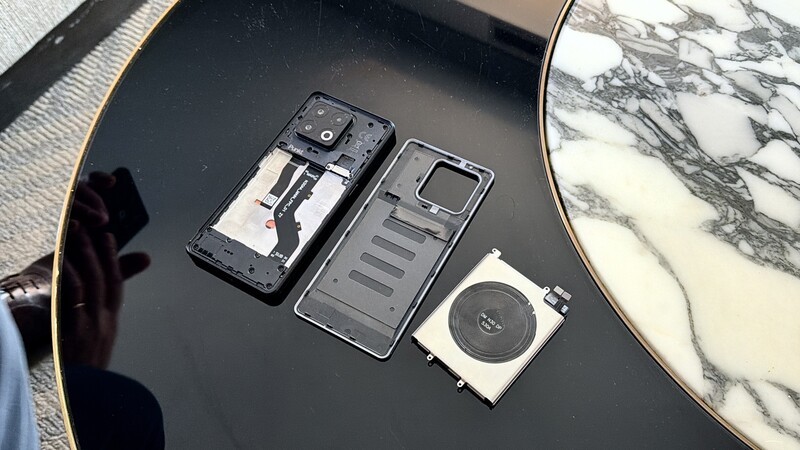
- Hardware Integrity Protection: We use hardware-enforced techniques, such as eFuse technology, to lock down the boot sequence and protect the cryptographic signing status of the device.
A key feature of the AphyOS experience is the dual partitioned ecosystem. We have the Wild Web, which is the highly compatible, but sandboxed environment, where users can install common Android apps from the Play Store.
Separately there's the Vault. This is the most secure enclave within Apostrophy powered devices where only the most secure and meticulously-vetted apps are allowed to be installed in this environment.
6. Real Data Sovereignty: The Swiss Infrastructure Footprint
Securing the data on the device is only half the battle. When your mobile applications backup data, sync calendars, or route secure communications through a cloud network, that information crosses geographic borders.
Under standard mobile models, your corporate files end up sitting on mass-scale storage arrays owned by foreign conglomerates. This potentially leaves your data exposed to foreign intelligence subpoenas and domestic cloud-interception acts.
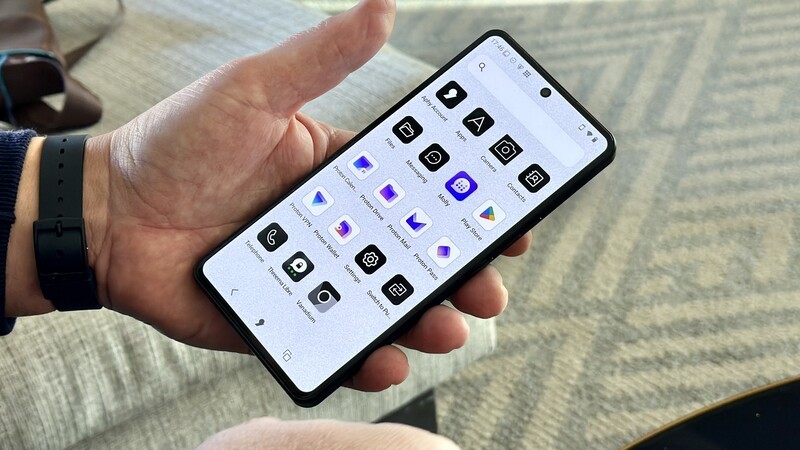
Secure Swiss Custody
Apostrophy was founded on the principle that data sovereignty requires safe legal and physical custody. We deliberately chose to own and operate our core infrastructure natively inside Switzerland.
When your phone syncs its encrypted notes, contacts, and personal information pipelines, those data packets travel straight to our proprietary, dedicated servers housed entirely under Swiss jurisdiction.
This means your operational footprint is shielded by some of the most stringent, uncompromising digital privacy and net-neutrality laws in the world.
No foreign entity or corporate conglomerate can quietly access your corporate data pipelines without a duly authorized warrant issued by a Swiss judicial court. We didn't build our cloud on leased corporate megastructures; we built a completely independent digital shelter to ensure your organization retains 100% ownership of its digital assets.
- Deep Dive: Want an in-depth breakdown of the specific legal protections guarding our network arrays? Read our infrastructure brief: The Swiss Shield: Legal and Physical Data Security Explained.
Unobstructed Productivity
The most common question I receive from CEOs is: "If you add all of these extra layers of security, won't it slow down my executive team?"
The answer is no. The true genius of AphyOS is that the manual engineering labor happens entirely beneath the surface. Your executive team does not have to jump through complex security hoops, manage daily security prompts, or tolerate broken application workflows. They log in, access their workspace, and remain entirely productive.
We took on the immense task of rebuilding the underlying mobile software architecture from the kernel up because modern enterprises deserve an infrastructure they can truly trust.
By hardening the system straight from the kernel layer and anchoring it directly to our secure, Swiss-based infrastructure, the Punkt. MC03 delivers exactly that: an ironclad perimeter that is locked from the inside out, requiring zero operational compromise.
Thankfully, the global market has woken up to the structural necessity of digital sovereignty.
Leaders are realizing that they can no longer run high-value corporate assets on a foundation they do not control. Because of this tectonic shift, our architecture is scaling: in the near future, several original equipment manufacturers (OEMs) will also be launching hardware powered natively by Apostrophy.
True mobile data custody is no longer a niche luxury; it is becoming the new global baseline for institutional security.
Read more

Why the Punkt MC03 is the Ultimate Hardware for Your Proton Account
Software alone can only protect your privacy so much. Enter, the The Punkt MC03, a smartphone designed to run the AphyOS operating system and protect your device from any unwanted tampering. By blowing a special eFuse before shipping, the MC03 is immune from firmware tampering. For the ultimate in data protection, both hardware and software need to be in sync, and the MC03 is designed...

Thinking of Buying a Pixel for GrapheneOS? Check Apostrophy First
Thinking of buying a Pixel just to flash GrapheneOS? Explore the real-world trade-offs of DIY privacy ROMs vs. out-of-the-box sovereignty on the Punkt MC03 with Apostrophy OS.

Enterprise Smartphone Security: Why a Sovereign OS Fits Business
Enterprise security layers only work together when each layer can be trusted. IT, Compliance, and Fleet Managers are often left with the difficult task of verifying "sovereign" claims, but AphyOS can provide a fully sovereign tech stack when paired with sovereign hardware, like the Punkt. MC03.

AphyOS-enabled Punkt. MC03 now available through Deutsche Telekom
Europe’s largest telecommunications provider officially lists the German-built, Swiss-governed sovereign smartphone in its online shop.