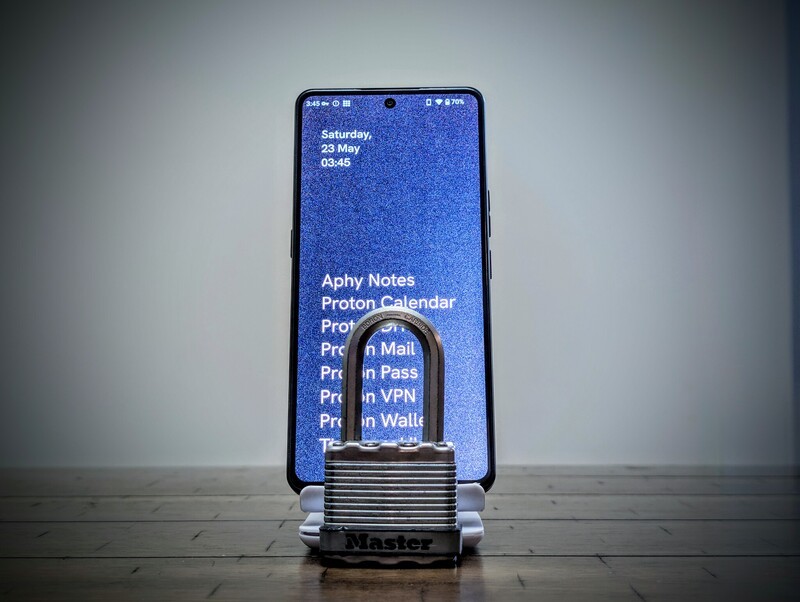
When it comes to smartphone operating systems most people know of two options: Google and iOS (Apple).
But in 2026 a shift is happening. People are clueing in to the sheer amount of data they're sharing with massive tech companies. And questioning how that data is used. They're looking for a third option, one that is highly secure while also being highly functional. That third option is Apostrophy.
Apostrophy - The OS Powering Sovereign Smartphones
Apostrophy is a Swiss-based, sovereign operating system designed to provide the utility of Android without the background tracking of Big Tech. It does this with a dual partition - one that's fortified for private work. And one that's compatible for everyday life.
We've all been there. You speak with a co-worker about a new restaurant you want to try. Or you stream your favourite TV show while relaxing at home. Then, the next time you open your phone, your Instagram feed is reminding you about the monthly burger deal at that restaurant. Or it's suggesting you buy a T-Shirt with a quote from that TV episode you just watched.

That's not a coincidence. It's an example of how your smartphone and the apps on it are harvesting your personal information, then selling it to the highest bidder.
In the past year, search inquiries like "stop phone from listening to me," "smartphone background tracking" and topics related to "sovereign smartphones," are on the rise (up to 140% year over year).
People want the utility of a smartphone without the surveillance the standard operating systems have baked in by default.
This is where a third option is not only desired, it's actually needed.
Apostrophy, a sovereign, privacy-first operating system, has risen to become the go-to choice in 2026 for users who care about their privacy, recognize the value of their data, and have decided they don't want to compromise usability for security on their smartphone.
What is Apostrophy
If you've never heard of Apostrophy, that's okay. When they launched in 2023, they were somewhat ahead of their time. But their foundational beliefs related to data sovereignty, keeping user data private, and creating a non-US OS alternative are now aligned with what many people have begun searching for in 2026 (and certain governments are legally mandating for compliance standards for the responsible storage of users' data).
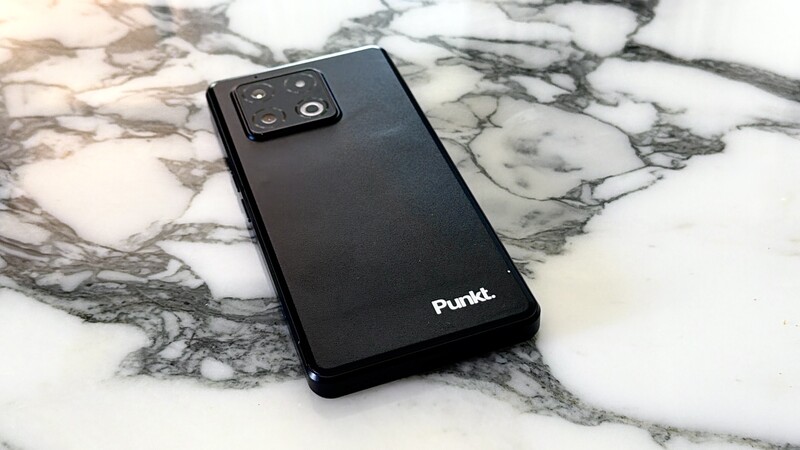
The company introduced a privacy-first operating system in 2023, first becoming publicly available alongside the bespoke smartphone, the Punkt MC02 in early 2024. This all came at a time when consumer tech was focused on bigger screens and better cameras.
Also at this time, in the privacy smartphone space, users were resigned to the fact that if they wanted their data private, they had to compromise with a "secure" smartphone that had virtually no compatibility across apps and came with a limited suite of privacy-centric applications that were unfamiliar and cumbersome to use.
So when "AphyOS" launched, those in the know flocked to this new operating system. It served both their privacy and productivity needs:
Apostrophy and Privacy
Root of Trust - The hardware and software verify each other every time the phone turns on. If a device is hacked, it simply won't boot
Permanent Physical Security - The physical chip is permanently modified through an eFuse meaning once Aphy is installed, a device will not accept another OS
Swiss Security - Apostrophy servers are based in Switzerland, with the highest privacy laws and standards in the world, protecting user data to the strictest rules on the planet
Apostrophy and Productivity
The Vault - If Apostrophy is a fortress, each app is contained within their own secure room within this fortress. Your contacts, your emails, your everything, are siloed so there is no leakage of private information between apps.
The Choice - There's an ultra secure partition to house your most private and important apps. But a separate sandboxed area on the phone maximizes compatibility by giving users the choice to install familiar apps from the Google Play store, which run in an environment with privacy settings dialed up by default.
Premium Hardware - Private hardware can also be premium. Launching alongside the clean minimalist design of the Punkt MC02 users had a smartphone whose beauty were as thoughtful as its brains. The newest hardware that uses AphyOS, the MC03, continues this legacy of pairing premium hardware with privacy-first software.
Apostrophy In 2026 The Sovereign Smartphone Saviour
As Apostrophy launches on new hardware in 2026, many of the core elements of the user experience are carrying through from the original AphyOS. But new strategic partners are enhancing what Apostrohy brings to the table depending on whether people are using their device for work or as their personal smartphone.
Apostrophy's Core Features
Consistently, users say the best part of Apostrophy is how easy and clear it is to navigate one device with two distinct identities.
The Vault is the secure section of the phone. People use this for work and privacy. Only apps vetted with the highest level of scrutiny, meticulously stripped back to the essential source code by Aphy developers meet the required clearances to be trusted in this secure environment. For users, this means when they're in the Vault, they know they're safe.
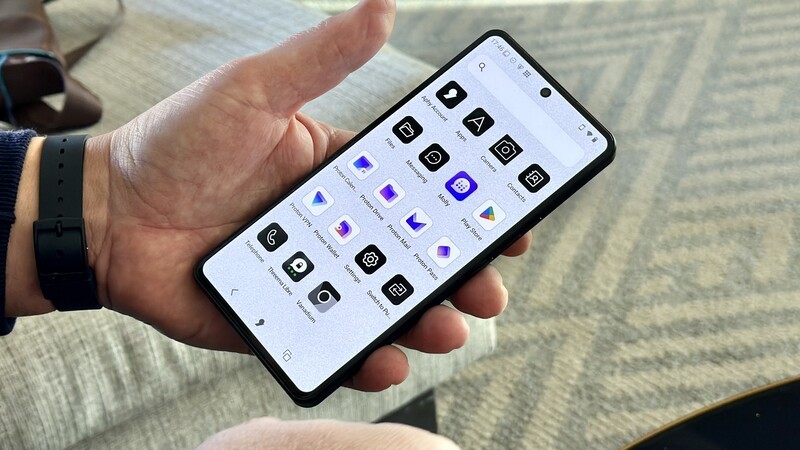
The Wild Web embraces the need for "everyday" apps to function, even on a privacy-centric phone. Empowering users to do whatever they like and install whatever they choose, knowing those apps are siloed from each other and no data can bleed over into the vault.
The result of this duality is that users get the best of both worlds (privacy and compatibility) in a single device, easily jumping between the two.
Apostrophy's Newest Partners In 2026
Now, in 2026, Apostrophy's success has led to partnerships with some of the world's leading privacy and security providers in the world of technology. These include:
- Proton - Secure, Swiss-based apps for Email, VPN, and more providing a private alternative to traditional Android solutions for everyday tasks
- Threema - End-to-end encrypted chats with no tracking or data harvesting for personal messaging.
- Wire - Enterprise-grade secure business messaging service for collaborating with teams and groups
- Punkt. - Following the success of the MC02, Punkt. and Apostrophy have renewed their partnership to collaborate on a ground-up private and sovereign smartphone with the release of the MC03
Why Choose Apostrophy in 2026?
For prosumers, especially those who want a verifiable peace-of-mind to know the work they're doing on their phone is as private as the data they're saving, having a security-by-default smartphone option that also allows them to play with the same apps as everyone else is a huge win. It can also help minimize and new information that might be mined by data brokers.
For Enterprise users, especially those who deal with sensitive medical or legal records, those working in infrastructure and utilities, or people employed by the government or military, privacy is the bedrock requirement that makes the difference between being able to even use your device for work or not.
The European NIS2 Directive
Europe has implemented the NIS2 Directive, which mandates that "highly critical" sectors (including energy, health, and finance) utilize infrastructure that is not subject to foreign surveillance. Apostrophy satisfies these requirements by anchoring its data residency in Switzerland, outside the reach of the US CLOUD Act or other intrusive global frameworks.
The North American Pivot
In North America, there is a growing mandate for Data Sovereignty. Both the Canadian and US federal governments have intensified scrutiny on background data harvesting. Apostrophy's "GMS-free" (Google Mobile Services-free) architecture ensures that sensitive metadata remains on the device or within sovereign Swiss servers, directly aligning with new data residency policies.
Prosumers Adopting Enterprise Practices

The smartphone is now being cited as the root cause of data breaches for companies. An IBM study projects the average cost of a data breach in 2026 in the United States passes the $10 million mark. and it often comes down to sophisticated phishing and vishing scams that trick well-intentioned users into breaking protocols when using their corporate or personal devices to access work files.
Because of this many users are looking for smartphones taking privacy cues from the enterprise world including:
Hardware-Rooted Security
Security starting from the smartphone processor. In the case of Apostrophy, this is an eFuse-backed Root of Trust, verifying each time your phone powers on that it is uncompromised.
Actually Useable
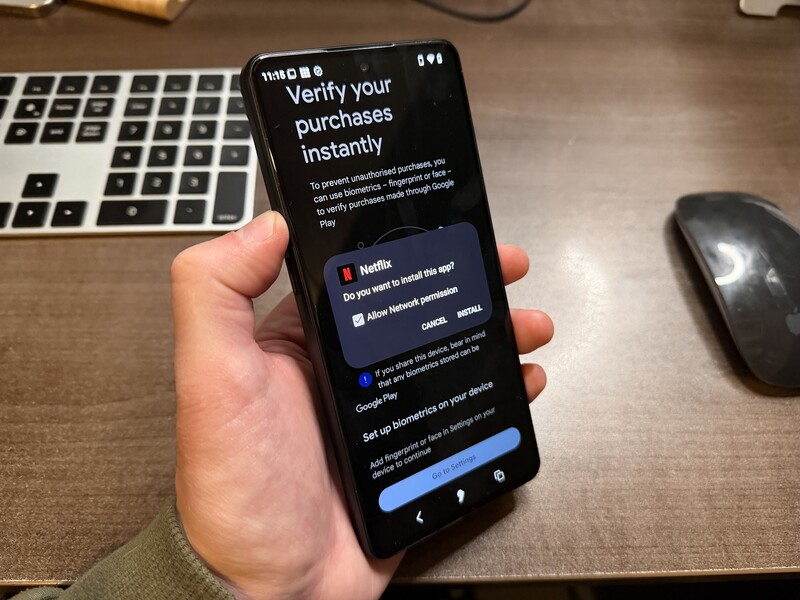
It's all too common in the secure software and hardware space to build a fortress with no doors. Meaning you can make something so secure, but it doesn't actually work in the real world because it misses the human element.
Thanks to its partitioned Vault and Wild Web, users get the benefit of ultra private apps and data management (within the vault) but can still enjoy open compatibility with Android apps to watch Netflix, update a Google Doc, or scroll X with a level of protection that's simply not available on standard Android phones.
Legal Protections
Because Apostrophy servers are located in Switzerland, all user data is protected under the Swiss Federal Act on Data Protection (nFADP), superseding other international laws. Meaning if a government agency demands access to your data, other OS providers are legally compelled to hand it over, whereas Apostrophy says "see you in court!"

Bye Bye Battery Drain
No matter what hardware makers adopt Apostrophy, users can expect better battery life on their devices. This doesn't have to do with smartphone makers adopting the latest silicon-carbon technology. This has to do with core Apostrophy functionality.
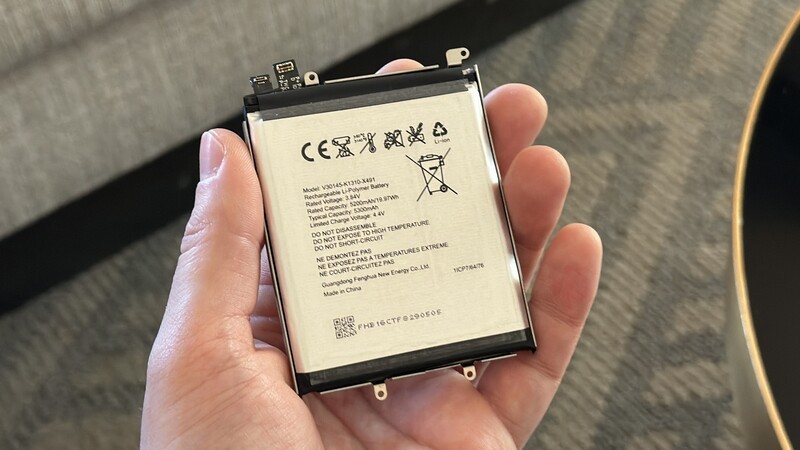
Because the average Android phone is constantly relaying data as you use your phone (or even when it's idle in some cases) your battery is slowly trickling down. Because Apostrophy empowers years to cut off these background handshakes between apps and their servers, your battery life lasts longer than the hardware spec sheet suggest.
Is Apostrophy Worth Switching To In 2026?
In a 2026 landscape where personal data is a commodity (and unprotected can become a major liability), Apostrophy is the only platform that provides a complete Secure Boot Chain, verified application isolation, and the legal protection of Swiss sovereignty in a single, prosumer-ready package.
With hardware manufacturers in queue for audits and certification to license Apostrophy and some of the biggest utility and insurance providers in the world looking to Apostrophy to secure their corporate fleets, both enterprise and everyday users can enjoy the equalization and empowerment of controlling their data in a way that no other operating system can provide in 2026.
The Apostrophy approach is unique in the smartphone space. It's privacy by default, not by opt-out model.
This operating system features zero tracking and no data mining, meaning users have a private and secure smartphone without compromise.
The era of the tracking beacon is over. Whether you are protecting corporate secrets or your family's privacy, the shift to sovereignty isn't a trend, it's a necessity. In 2026, a privacy-first smartphone isn't a 'nice-to-have' upgrade; it's the essential firewall between your digital soul and the highest bidder.
The question isn't whether you need a sovereign phone. It's how much longer you're willing to go without one.
Apostrophy: Frequently Asked Questions
What makes an operating system sovereign?
A sovereign operating system gives you total ownership of your data and digital identity. Unlike legacy systems that relay telemetry to third parties, a sovereign OS ensures that all data residency is anchored in a neutral territory and remains free from kernel level tracking.
Can I use my favorite Android apps on Apostrophy?
Yes. Apostrophy uses a dual partition system to balance security with usability. The Vault provides a fortified space for audited productivity apps. The Wild West is a sandboxed environment where you can run familiar Android apps while keeping them isolated from your private data.
How does Swiss residency protect my digital privacy?
All Apostrophy user data is protected by the Swiss Federal Act on Data Protection (nFADP). Because Switzerland is a neutral jurisdiction, your information remains outside the reach of extraterritorial laws like the US CLOUD Act. This provides a legal safe haven for your personal and professional records.
What phones support Apostrophy?
The Punkt MC03 is currently the exclusive device featuring Apostrophy. This flagship smartphone was built specifically to align our software with hardware-rooted security. We expect to announce additional partnerships with other Original Equipment Manufacturers (OEMs) later in 2026.
What is an eFuse and why is it used for security?
An eFuse is a physical security measure on the smartphone processor that establishes a permanent Root of Trust. The hardware verifies the integrity of the operating system every time the device powers on. If the software is tampered with, the device detects the change and refuses to boot.
Does a secure operating system drain my battery faster?
No. Most smartphone batteries are drained by invisible background handshakes that track location and app usage. Because Apostrophy eliminates this constant data relay, users often see better battery performance than they would on a standard device with the same hardware specs.
Read more
Sovereign Hardware: The Essential Enterprise Smartphone Standard
For enterprise and pro users, knowing which laws govern their data is essential. That's why 2026 has seen the rise of the sovereign smartphone. People want to know where their data resides and how it's controlled. The only way to ensure your data stays your data is to choose secure hardware paired with a sovereign OS.
The Security Advantage of PINs Over Biometrics
While biometrics do an excellent job of blocking casual nosey friends or opportunistic thieves, they fail dramatically when facing institutional observation, border checkpoints, or corporate espionage.

Proton Just Revealed How Many Data Requests They Refused This Year
As part of that commitment to transparency, Proton regularly publishes a report on how many court-ordered data requests they receive, and how many have resulted in user data being provided.

The Steps AphyOS Takes To Manually Clean Up Code
When a technology brand decides to manufacture a new smartphone, they rarely build the underlying software from scratch. Instead, they rely on a heavily outsourced supply chain. At the top of this chain, core operating system blueprints are governed by central ecosystem gatekeepers. Below them, silicon chip providers deliver the physical processors alongside foundational software...