
Connecting your smartphone to a public, unsecured Wi-Fi network (whether at an airport, a bustling metropolitan café, or a hotel lobby) is never an ideal cybersecurity practice. From a pure risk-mitigation standpoint, entering an unencrypted wireless space exposes your device to immediate threats, ranging from passive packet sniffing to aggressive man-in-the-middle (MitM) attacks.
Apostrophy's AphyOS changes this dynamic by rewriting how a mobile device interacts with a hostile network.
However, the reality of the modern hybrid workforce means that professionals frequently find themselves in situations where public networks are the only available bridge to corporate environments.
Mainstream mobile operating systems handle this transition poorly, treating an unverified network connection as an open channel to broadcast device identifiers, background metadata, and telemetry.
By integrating hard engineered boundaries underneath the application layer, AphyOS shields user data directly at the engine level.
1. Silencing GMS Background Chatter

On a standard iOS or Android device, the moment you connect to a public Wi-Fi network, an immediate "privacy tax" is levied. Even if you aren't actively browsing or using an encrypted messaging application, the underlying Google Mobile Services (GMS) or system-level frameworks initiate hundreds of background connections.
These background scripts constantly broadcast: * Local location logs and cell-tower triangulation metrics. * Unique hardware identifiers and device performance analytics. * Unencrypted local network metadata used by ad brokers to map your environment.
Because AphyOS is built completely free of Google Mobile Services, this parasitic background chatter is eliminated at the core of the operating system.
When an AphyOS device connects to an open access point, the engine remains strictly quiet. There is no automated metadata stream or persistent cloud telemetry pinging foreign servers, giving local network sniffers nothing to harvest.
2. Cryptographically Hashed DNS Routing via Quad9
When you type a website URL or open an app on a standard smartphone, the device sends a plain-text query to a Domain Name System (DNS) server to translate that text into an IP address.
On an unsecured network, these default DNS queries are routed directly through the local router provided by the coffee shop or airport. This allows the network operator (or a malicious actor sitting on the same network) to easily log and track every single domain your device attempts to contact.
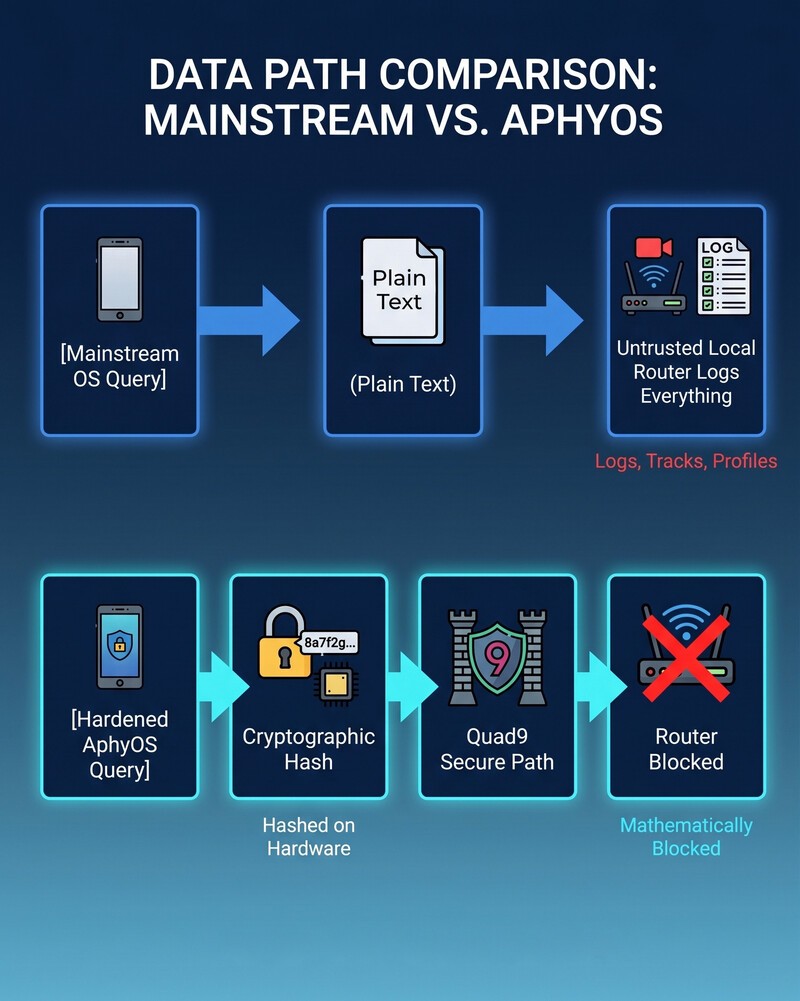
AphyOS fundamentally alters this network property by natively overriding default system controls and forcing all outbound queries through Quad9, a secure, private DNS resolver.
Before any network request ever leaves the physical hardware of an AphyOS device, the query is cryptographically hashed and encapsulated.
When it passes through the unsecured wireless access point, the local router is mathematically blocked from decoding or logging the request.
The operator cannot build a digital footprint of your browsing habits or intercept destination strings, rendering passive network monitoring useless.
3. Sandboxed App Isolation
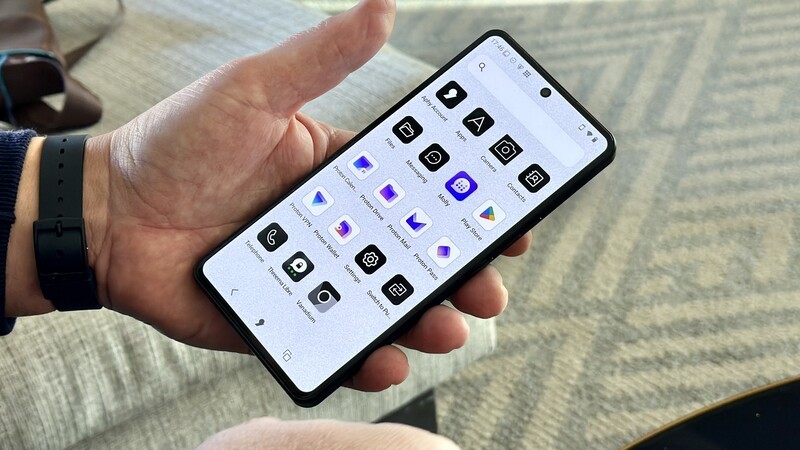
The final line of defense on a public network occurs within the local runtime memory space. If an advanced attacker deploys a malicious captive portal (the pop-up authentication page required to access public Wi-Fi networks) they may attempt to push exploit payloads to vulnerable background applications.
AphyOS counters this threat vector by implementing a Sandboxed Apps framework. Every application on the device, including tools residing in the "Wild Web" partition, executes within a highly restricted software bubble.
If a zero-day exploit attempts to target an isolated browser or an enterprise communication tool over an open connection, the operating system's strict SELinux policies and kernel hardening guardrails prevent that exploit from escaping its container.
The malicious code cannot move across the system to spy on local file directories, read encrypted storage vaults, or compromise administrative registers.
The Ultimate Protocol Requirement
While these native, engine-level architectures significantly lower the threat profile of an exposed endpoint, it is critical to reiterate that utilizing an unsecured network remains a fundamentally flawed security posture. No operating system can rewrite the rules of network physics; if local traffic is entirely open, a highly sophisticated adversary can still attempt intrusive interception maneuvers.
Ultimately, the best defense is avoidance, and utilizing public Wi-Fi should always be treated as a strict exception rather than a daily routine.
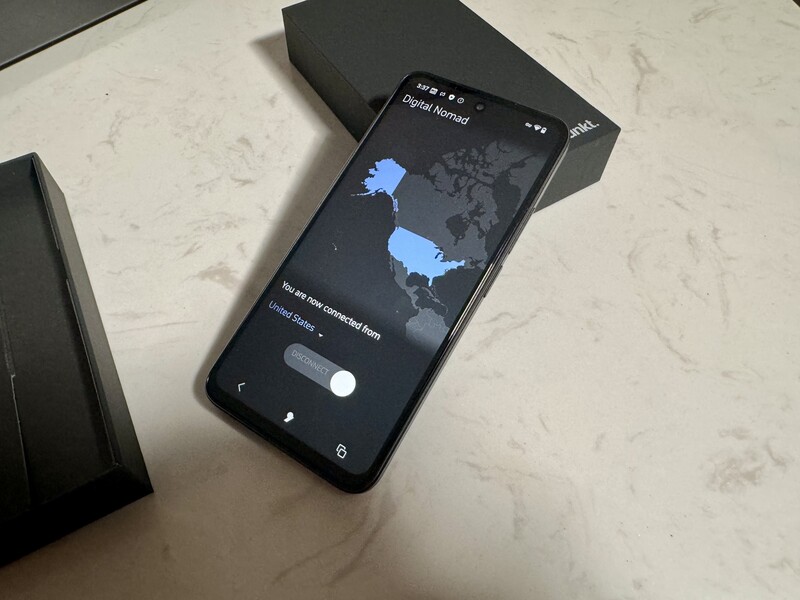
To bridge this final structural gap, AphyOS incorporates Digital Nomad—a built-in, native Virtual Private Network (VPN) framework that provides complete, end-to-end payload encryption.
While the OS provides unprecedented network-layer silence and DNS protection on its own, pairing the hardened platform with an active, audited VPN path remains the only acceptable protocol if you must operate within an untrusted environment.
Read more

Thinking of Buying a Pixel for GrapheneOS? Check Apostrophy First
Thinking of buying a Pixel just to flash GrapheneOS? Explore the real-world trade-offs of DIY privacy ROMs vs. out-of-the-box sovereignty on the Punkt MC03 with Apostrophy OS.

5 Creepy Things Your Smartphone Does Before You Even Touch It
Here is what your tech-obsessed friends wish you knew about that brand-new phone in your hand.

The actual cost of "free" online services
While services provided by Big Tech may not cost you money, they do cost your privacy. This article explores how companies like Google make billions of dollars by tailoring custom advertisements to the individual by collecting data on them via multiple methods.

The Security Advantage of PINs Over Biometrics
While biometrics do an excellent job of blocking casual nosey friends or opportunistic thieves, they fail dramatically when facing institutional observation, border checkpoints, or corporate espionage.