
🔒 TL;DR - The Short Version
Verdict: Toggling app permissions on standard Android devices does not prevent kernel-level data harvesting; true mobile privacy requires hardware-bound cryptographic security.
Strength: AphyOS leverages Swiss-engineered software and German hardware manufacturing to enforce hardware-rooted eFuse boot validation.
Trade-off: High barrier to entry—cannot be sideloaded onto standard off-the-shelf smartphones and requires dedicated European co-engineered hardware like the Punkt. MC03.
Reliability: Silicon-level cryptographic fuses instantly halt the boot process if altered code or unauthorized memory tampering is detected at startup.
Connectivity: Isolates cellular baseband modems and Wi-Fi chips at the Board Support Package (BSP) level to prevent background telemetry leaks to network towers.
Value Prop: Delivers true GDPR-compliant data sovereignty from the silicon up, bypassing ad-funded data brokers and un-audited third-party chip drivers.
For years, the mainstream narrative around mobile privacy has revolved around a simple premise: if you want to protect your data, you just need to change your settings. Toggle off location tracking, revoke camera permissions, pick an encrypted messaging app, and switch to an open-source operating system that strips out big-tech data harvesting.
It sounds convincing on paper. But under the hood, most "privacy-focused" mobile operating systems are built on a fundamental structural compromise.
While they successfully clean up the surface layer (removing factory bloatware and replacing default data trackers with open-source alternatives) they leave the underlying engine completely untouched. They operate strictly at the high-level application layer, leaving a massive security blind spot at the physical hardware level.
If a phone running application layer "security" gets attacked at a hardware or system level, the doors are wide open for a bad actor to take control of your device and harvest whatever info they please.
To build a smartphone that actually works strictly for the person holding it, privacy cannot merely be a software skin. It has to be welded directly into the silicon. This is precisely where AphyOS separates itself from the rest of the privacy-first landscape.
The Illusion of Application-Layer Security
Most alternative mobile operating systems operate as software integrators. They take existing, off-the-shelf open-source versions of Android, tweak the user interface, and rely on community-developed software packages to emulate essential system services.

Because this approach operates entirely at the top layer of the device, it keeps development costs low and allows the software to be installed on hundreds of standard, off-the-shelf smartphones.
There's an advantage to consumers with this approach: it's cheaper and gives them more hardware options. But from an engineering standpoint, this creates a major vulnerability.
When an operating system only modifies the application layer, it relies on standard, unhardened base kernels and generic, un-audited hardware drivers provided by third-party chip manufacturers.
The door is unlocked from the inside.
If a malicious background process, a system-level exploit, or a hardware attack bypasses the surface permissions, the operating system has no physical line of defense.
Deep Engineering: The Low-Level Difference
AphyOS approaches mobile architecture from the opposite direction: full-stack, vertical integration. Instead of sitting on top of pre-existing Android frameworks, AphyOS engineers work down at the Board Support Package (BSP) level. That's the literal translator between the software code and the physical microprocessors on the circuit board.
Instead of deploying generic software patches, AphyOS structurally modifies and hardens the Android kernel (the master control room of the device). By enforcing strict dual-partition isolation, background tasks are permanently restricted from peering into system memory or accessing network modems without explicit, system-gated authorization.
More importantly, AphyOS anchors its security model to physical hardware using hardware-rooted cryptographic eFuses.
During manufacturing, tiny microscopic fuses built directly into the processor chip are programmed and physically locked in place. This binds the operating system directly to the silicon. If an unauthorized entity attempts to tamper with the software, flash unverified code, or execute a low-level memory exploit, the processor itself detects the broken cryptographic key at the hardware level and halts the boot process instantly.
Why Hardware Partnerships Matter
This depth of engineering explains why true privacy-first operating systems cannot simply be downloaded onto any random, secondhand smartphone.
Writing custom BSP code, enforcing kernel hardening, and managing physical eFuse trust chains requires deep, specialized hardware partnerships, such as the collaboration behind the Punkt. MC03. The silicon, the kernel, and the operating system must be designed as a single, unified ecosystem.
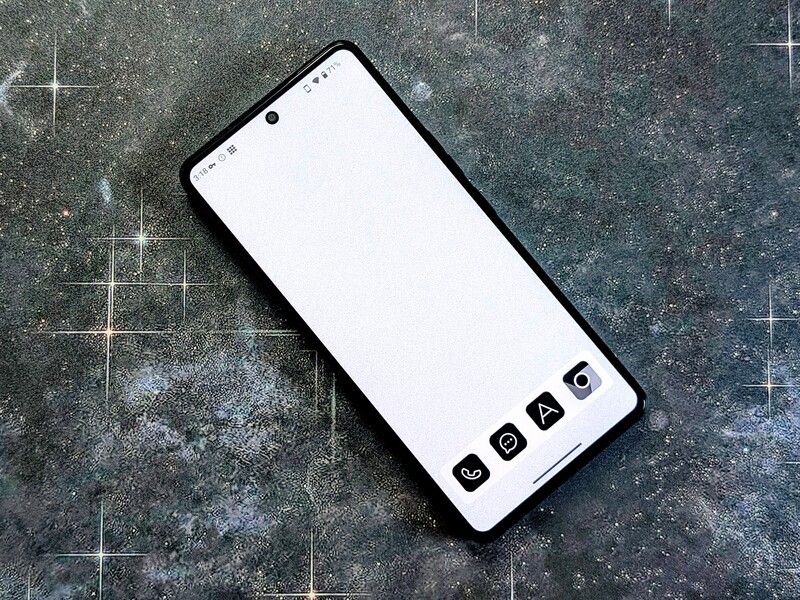
While this full-stack approach requires dedicated engineering, ongoing kernel auditing, and secure, independent cloud infrastructure, it solves the fundamental flaw of modern mobile privacy.
Privacy isn't just about opting out of targeted ads or revoking app permissions in a drop-down menu.
True custody of your personal data requires an operating system that defends your device from the physical silicon up to the screen in your hand.
Read more

Why Your Phone May Never Really Stop Listening
In This Article The Mechanics of the "Passive Ear" Inaudible Acoustic Leakage: The Stealth Threat Vector The Security Theatre of Software "Kill Switches" How AphyOS Enforces Absolute Acoustic Silence We've all experienced that unsettling modern phenomenon: you have a casual, spoken conversation with a friend about a niche product, a destination, or a business goal. You never...

The Punkt. MC03 (The Next Apostrophy Powered Smartphone) is Available Now
A new phone has entered the market that is powered by Apostrophy, the world's leading privacy-by-default operating system. The Punkt. MC03 is now shipping, giving users who want a more secure option for doing business, while still being able to use familiar apps, an excellent option for both hardware and software.

AphyOS-enabled Punkt. MC03 now available through Deutsche Telekom
Europe’s largest telecommunications provider officially lists the German-built, Swiss-governed sovereign smartphone in its online shop.

The Security Advantage of PINs Over Biometrics
While biometrics do an excellent job of blocking casual nosey friends or opportunistic thieves, they fail dramatically when facing institutional observation, border checkpoints, or corporate espionage.