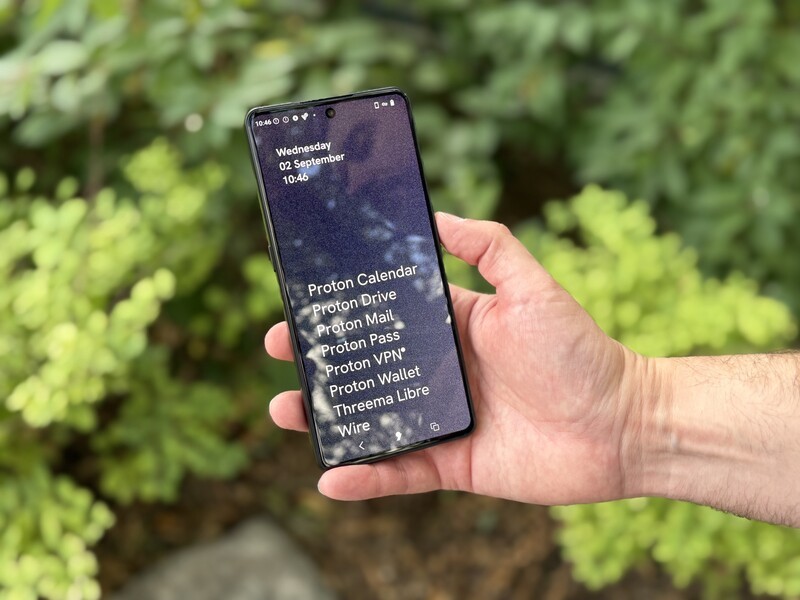
Enterprise smartphone security once fitted neatly into a short policy document: enforce a passcode, enable encryption, install a mobile device management agent and move on. That model assumed the phone was a minor access route into corporate systems. It is now often the primary one, carrying email, messaging, customer records, multi-factor authentication prompts and the credentials that unlock everything else.
Security teams are also facing a second question that is less about malware and more about control. Who owns the software stack on the handset, under whose jurisdiction does it operate, and what happens to business data that passes through services the organisation does not govern? Those questions are pushing sovereign operating systems from a niche idea toward a mainstream enterprise consideration.
What enterprise smartphone security actually covers
Enterprise mobile security is the policies, technologies and practices that protect mobile devices and the business resources they access. The objective is to manage those endpoints safely while maintaining secure connections to enterprise infrastructure, regardless of where the device or the employee happens to be. That definition deliberately spans both sides of the connection: the handset and the corporate systems it reaches into.
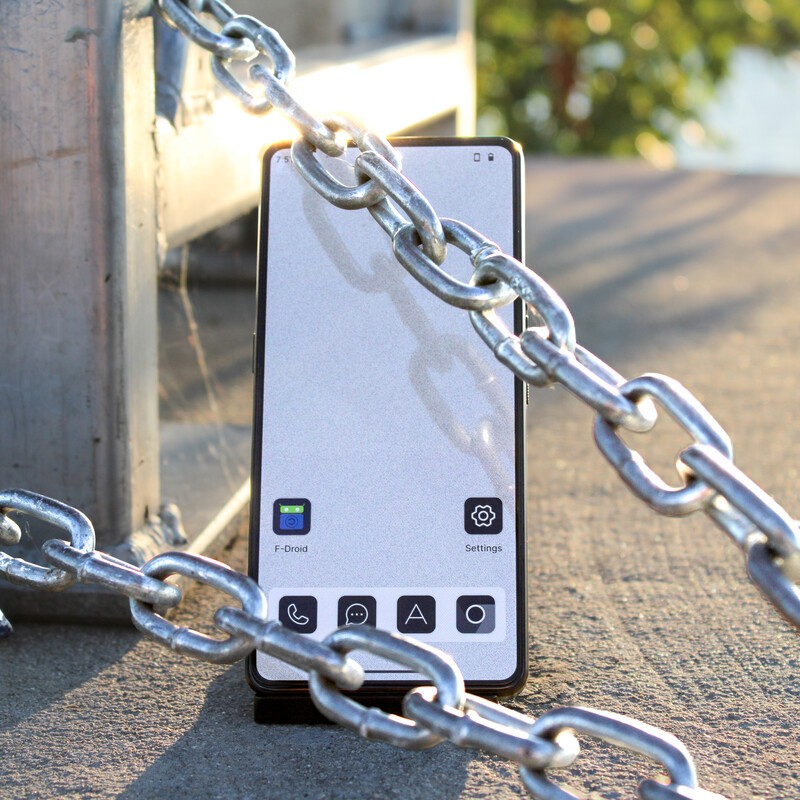
In practice, a complete programme usually combines several layers:
- Enrolment and lifecycle management, so IT administrators can enrol, manage and secure employee mobile devices.
- Device trust, confirming that the handset is genuinely the managed, unmodified device it claims to be.
- Threat defence, including anti-malware protection and AI-powered defences in managed mobile security suites.
- Privacy controls that limit what the device and its applications can collect.
- Everyday device hygiene, such as avoiding unsecured wireless networks and hiding Bluetooth from discovery when it is not in active use.
The layers only work together. A polished management console is of limited value if the underlying platform can be altered before the agent ever loads, and strong boot-time protections are wasted if nobody revokes access when a handset goes missing.
Why the mobile endpoint became the difficult one
Mobile devices stopped being a secondary access route some time ago. They are now the device of record for approvals, incident response, customer conversations and field work, often used from locations that no network team designed for. That shift creates pressure on security departments, because the traditional perimeter assumption, that a device inside the network is broadly trustworthy, no longer describes reality.
The strain is not new. Reporting has noted for years that the sheer number of mobile devices connecting to corporate networks poses a challenge for IT departments, with security professionals flagging mobile as a difficult area to control. What changed since those early warnings is the consequence of failure. A compromised handset today may hold session tokens and application access that reach far beyond a single mailbox.
Photo by Pavel Danilyuk on Pexels
Zero Trust arrives on the handset
Zero Trust is a security framework that replaces implicit trust with explicit trust by continuously assessing security threats, risk and trust. Applied to phones, it removes the convenient assumption that an enrolled device stays safe simply because it was enrolled. Trust is re-evaluated, not granted once and forgotten. Samsung's global mobile B2B team set out its own Zero Trust strategy for enterprise mobile security in a January 2026 editorial, which shows how central the framework has become to mainstream enterprise mobile thinking.
The practical consequences for a fleet are straightforward. Continuous assessment means device posture, patch level and integrity signals matter on an ongoing basis. It also means the platform itself becomes part of the trust calculation, not just the applications running on it.
| Concept | What it means for a mobile fleet |
|---|---|
| Enterprise mobile security | Policies, technologies and practices that protect mobile devices and the business resources they access |
| Zero Trust | Replaces implicit trust with explicit trust, continuously assessing threat, risk and trust |
| Managed mobile security suites | Let IT administrators enrol, manage and secure employee devices |
| Baseline device hygiene | Avoid unsecured wireless networks and hide Bluetooth from discovery when not in active use |
Where the mainstream mobile model leaves a gap
Existing enterprise mobility tooling is mature. Platforms such as Android Enterprise promote multi-layer protection, device trust, AI-powered defences and privacy features designed to keep teams safe wherever they work, and hardware makers market Android Enterprise Recommended devices for business use. The gap is rarely about features on a checklist. It is about governance.
Who controls the platform
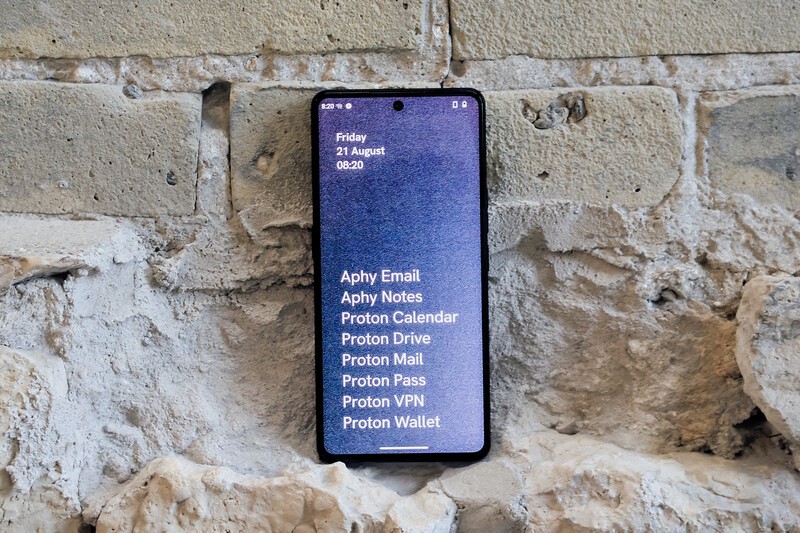
For a European organisation, the operative question is not only whether a handset can be remotely wiped, but who controls the operating system and the services wired into it. If platform updates, app distribution and identity services sit with providers outside the organisation's legal jurisdiction, then compliance conversations become complicated. Data protection officers need to explain where business information is processed and who can be compelled to disclose it.
What leaves the device
A phone generates telemetry, diagnostics, location signals and app-level metadata as a matter of routine. Some of that is essential for management and security. Some of it is commercial in nature. A fleet manager needs a defensible answer to a simple question: which data leaves the device, for what purpose, and under whose terms? A security stack that cannot answer that clearly leaves a governance hole even when the technology performs well.
Photo by Towfiqu barbhuiya on Pexels
What a sovereign operating system changes
Apostrophy OS is positioned as a privacy-first, sovereign alternative to Android and iOS, built around three pillars: sovereignty, smartphones and security for mobile. The sovereignty element is the differentiator for enterprise buyers, because it moves control of the platform, and therefore of the device lifecycle, closer to the organisation and its jurisdiction.
Hardware-rooted trust
Sovereignty is only credible if it is anchored in silicon rather than in policy statements. Apostrophy OS devices are built around hardware security features including eFuse, verified boot and platform signing keys. Together these establish a chain of trust that begins in the hardware itself and extends through the boot process, which makes it far harder for an attacker to substitute modified software and remain undetected. For a fleet manager, this is the difference between hoping a device is genuine and being able to verify it.
Fleet management without surrendering control
Hardware protections matter most when they scale. A zero-touch enterprise fleet management solution allows devices to be provisioned and managed without a hands-on setup process for every handset, which is what makes sovereign mobile viable beyond a pilot of a handful of executives. Devices such as the Punkt MC03 show how a privacy-focused handset and a sovereign operating system can be paired for business use, with management handled centrally.
A practical checklist for IT and compliance teams
Any organisation evaluating sovereign mobile should test vendors against the same criteria it already applies to laptops and cloud services.
- Map what data the device and its management platform touch, and where that data is processed.
- Confirm how device trust is established at boot and whether it is rooted in hardware.
- Verify that enrol, manage and secure functions cover lost, stolen and departing-employee scenarios.
- Enforce baseline hygiene, including avoiding unsecured wireless networks and hiding Bluetooth when idle.
- Check that anti-malware and platform defences are updated continuously rather than periodically.
- Document which legal jurisdiction governs the platform provider and any connected services.
How to assess a sovereign claim
Sovereignty is an easy word to put on a datasheet and a harder one to evidence. Ask which hardware root of trust is used and whether it can be rewritten. Ask who holds the platform signing keys, since whoever signs the operating system effectively decides what runs on the phone. Ask how a fleet is enrolled at scale and how devices are decommissioned. Ask for the data flows in writing. Where a vendor cannot answer, confirm the position with the vendor's official documentation before committing devices to production, and involve legal and compliance colleagues early rather than after a pilot.
The direction of travel is clear enough. Mobile endpoints now carry the access that matters most, Zero Trust thinking has made continuous verification the baseline expectation, and European organisations face growing pressure to explain who controls the technology they depend on. A sovereign operating system does not replace good security practice. It removes a category of risk that practice alone cannot fix, by putting the root of trust, the signing keys and the data flows under the control of the organisation and its jurisdiction.
Frequently Asked Questions
What is enterprise smartphone security?
It is the set of policies, technologies and practices that protect mobile devices and the business resources they access. The aim is to manage endpoints safely while keeping secure connections to enterprise infrastructure, wherever a device is used. In practice that means enrolment and lifecycle management, device trust, threat defence, privacy controls and clear rules for users.
What does Zero Trust mean for a mobile fleet?
Zero Trust replaces implicit trust with explicit trust by continuously assessing security threats, risk and trust. On mobile, that means a device does not stay trusted simply because it was enrolled once. Posture, integrity and risk signals are re-evaluated over time, and the underlying platform forms part of that calculation rather than sitting outside it.
Why does data sovereignty matter on business phones?
Business phones generate telemetry, diagnostics, location signals and app metadata as a matter of routine. If the operating system, app distribution and identity services sit with providers in another jurisdiction, explaining where data is processed and who can access it becomes difficult. Sovereignty brings platform control, signing keys and data handling closer to the organisation.
How is a sovereign OS different from Android or iOS?
A sovereign operating system such as Apostrophy OS is built as a privacy-first alternative to Android and iOS, with sovereignty treated as a core design goal rather than an add-on. That extends to hardware-rooted trust through eFuse, verified boot and platform signing keys, plus zero-touch enterprise fleet management so control stays with the organisation.
Read more

Taking On Big Tech: Apostrophy + Punkt. Set Sights on the LSE
Apostrophy, the independent European tech company behind the privacy-hardened AphyOS mobile operating system, has signed a definitive exclusivity agreement to execute a reverse takeover of London-listed cash shell Milton Capital Plc.

The actual cost of "free" online services
While services provided by Big Tech may not cost you money, they do cost your privacy. This article explores how companies like Google make billions of dollars by tailoring custom advertisements to the individual by collecting data on them via multiple methods.

Why you want to pay for Proton (and maybe why you don't)
Proton provides a suite of productivity applications that combine convenience and ease of use with enhanced data protection and privacy. Explore why upgrading from the free Proton apps to the paid versions is likely right for many users, but maybe not all.

Proton Just Revealed How Many Data Requests They Refused This Year
As part of that commitment to transparency, Proton regularly publishes a report on how many court-ordered data requests they receive, and how many have resulted in user data being provided.